Mallorca Like a Local: Smart Travel Tips for a Relaxed, Worry-Free Island Holiday
Mallorca has a way of slowing visitors down. Mornings begin with coffee on a plaza in Palma, afternoons drift between hidden coves and mountain villages, and evenings end with grilled fish and a view of the bay. The island is wonderfully easy to enjoy, yet a few practical habits make the difference between a good holiday and a truly effortless one.
This guide gathers the advice that seasoned visitors swear by: when to go, how to move around, how to enjoy the sun safely and what to do if your plans are interrupted. For travellers who want peace of mind, knowing that an English-speaking doctor in Palma de Mallorca can be reached by video, any day of the week, is one of those small details that lets you relax completely.
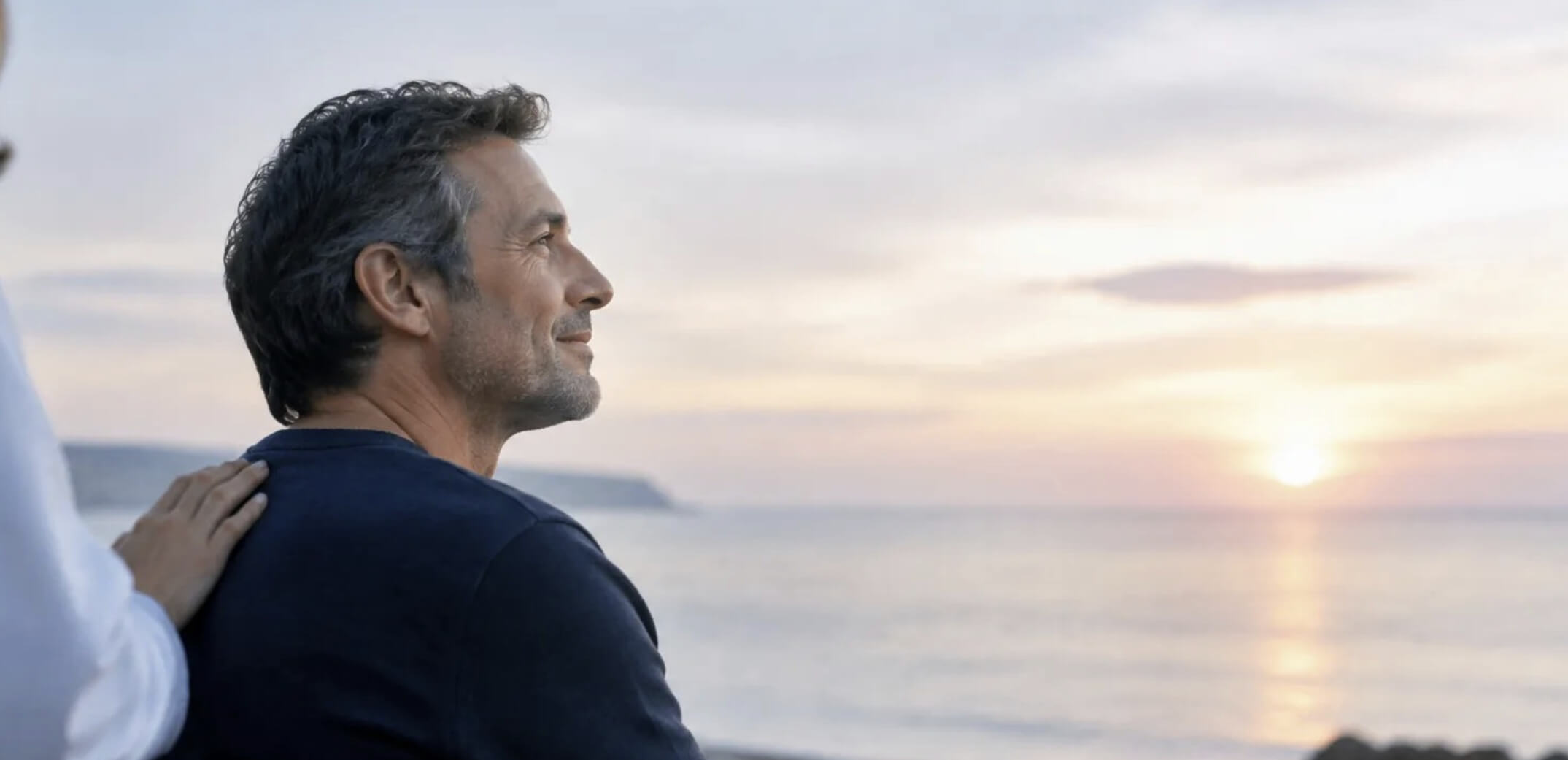
Few things say Mallorca like watching the sun go down over the Mediterranean.
Choose your season wisely
May, June and September are, for many, the island’s golden months: warm sea, long days and fewer crowds than in July and August. Spring is ideal for walking in the Serra de Tramuntana, when almond blossom has given way to wild flowers and temperatures are gentle. Autumn brings warm water and the grape harvest; winter offers quiet villages, clear light and some of the year’s best cycling. Whatever the month, book flights and accommodation early for local festivals, such as Sant Joan in June or the summer fiestas of each village, when the island celebrates with music, fireworks and long tables in the street. These are some of the most memorable evenings a visitor can experience, and rooms nearby fill months ahead.
Getting around
A hire car opens up the island, but parking in Palma and in popular coves fills early in summer. Consider the excellent bus network, the historic Sóller railway, or a boat trip along the coast. If you plan to hike in the Tramuntana, start early, carry more water than you think you need, and check the route and weather before you set off.
Corners worth the detour
Beyond the famous beaches, the island’s quieter places often leave the deepest impression. Valldemossa and Deià reward an early start, before the coaches arrive. The market town of Sineu comes alive every Wednesday, while Artà and its hilltop sanctuary offer a glimpse of a slower, older Mallorca. On the east coast, Cala Mondragó and the coves around Santanyí are at their best in the first hours of the day, when the water is still and clear.
Eat as the islanders do
Mallorcan cooking is generous and seasonal. Start the day with an ensaïmada and a café con leche, try pa amb oli with local tomatoes and olive oil at lunch, and save room for tumbet or a slow-cooked frit mallorquí in a village restaurant. The menú del día, served at lunchtime on weekdays, remains one of the best-value meals in Europe. Dinner starts late, rarely before nine, so a light snack in the early evening keeps the whole family happy.
Sun, sea and the Mediterranean afternoon
The Mallorcan sun is stronger than many visitors expect, even on breezy days. Apply sunscreen generously and reapply after swimming, wear a hat, and follow the local rhythm: beach in the morning, a long lunch in the shade, and a return to the sea in the late afternoon. Drink water steadily throughout the day, especially on hikes and boat trips.
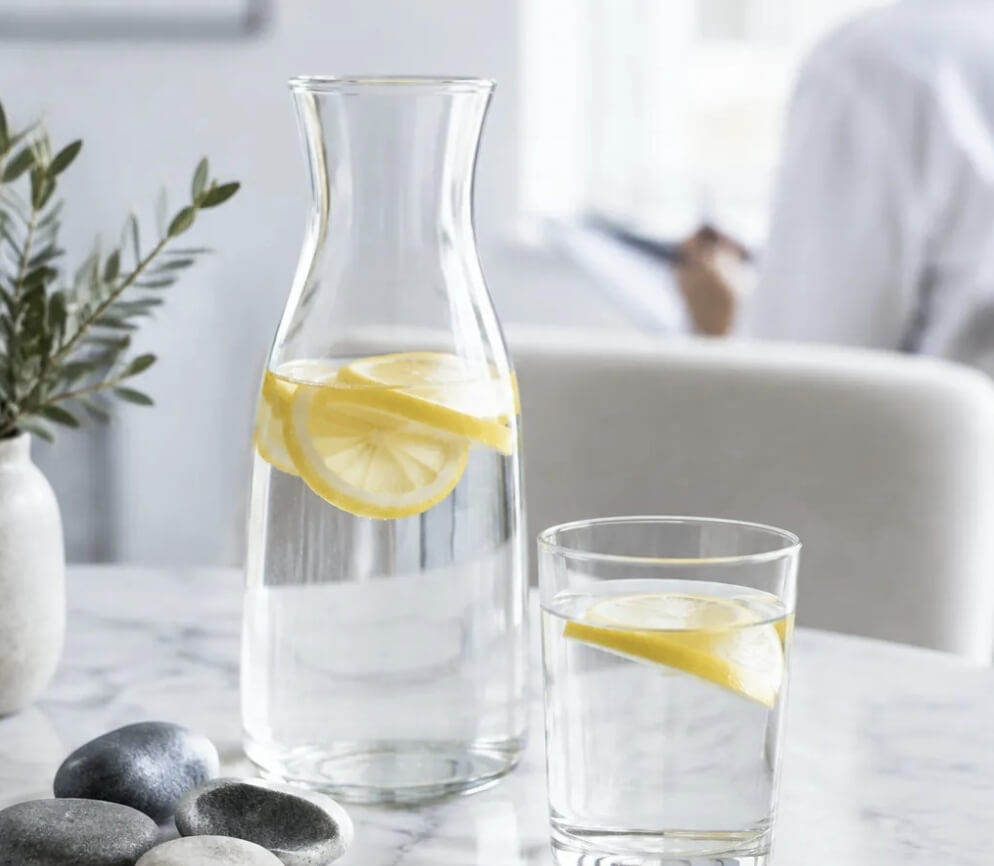
A jug of iced water with lemon: the simplest habit for long, hot island days.
Evenings outdoors
Warm evenings on a terrace are part of the island’s charm. Mosquitoes can be active after sunset near wetlands and gardens, so a repellent and light long sleeves at dusk keep evenings comfortable. A small travel kit with after-sun, plasters and antihistamine cream covers most minor annoyances.
If your plans are interrupted
Even the best-planned holiday can include an off day. For minor complaints, Mallorca’s pharmacies, marked by a green cross, offer excellent advice, and a rota of duty pharmacies stays open at night. For anything serious, the European emergency number 112 connects you to help, and Palma’s main hospital, Son Espases, is open around the clock.
For everything in between, a same-day video consultation with an English-speaking doctor is often the easiest solution: you stay in your hotel or villa, explain things in your own words, and receive clear advice and any necessary paperwork without losing a day of your holiday. Appointments are available every day from 7:30 to 20:30 and can be booked online at any hour.
Before you go: a quick checklist
• Travel insurance details saved on your phone.
• Sunscreen, a hat and a refillable water bottle.
• Comfortable shoes for cobbled streets and coastal paths.
• Any regular medicines in their original packaging, with enough for your stay.
• Restaurant reservations for weekend evenings in high season.
Mallorca is at its best when you let it set the pace. Plan a little, pack sensibly, and leave the rest to the island.
Dr. Pedro Yelamo Vera is a General Practitioner registered with the Official College of Physicians of Bizkaia (licence No. 484814280), with native-level English and Spanish, offering video consultations for residents and visitors. This article is for general information only.